Photography by Mary Lagier
As a native Italian from the Mediterranean region — initially Naples and then spending time living in Milan (and later Paris, France) — this meant a diet filled with the natural ingredients of Italy: simple, whole foods with proven health benefits — seafood, seasonal vegetables, fruits, hearty whole grains, wine, a lot of extra virgin olive oil — concisely known as the Mediterranean diet. My family and the families around us roasted our own coffee beans, we lived off nutritious meals that used minimal sugar and high quality ingredients and we could still drink our red wine, in moderation. It’s a diet synonymous with a healthy gut, which helps reduce risk for dementia, high cholesterol, heart disease, depression and cancer.
Having a master’s degree in chemistry I became fascinated with the science behind nutrition, and the “Blue Zones” around the world. People in those zones have an array of healthy lifestyle habits that are variations of what we know as the Mediterranean diet, and directly result in those communities having some of the longest lifespans and happiest reported lives.
I’m now the chef of BellaVia Food & Coffee, and an instructor at Cuesta College, teaching courses on the Mediterranean diet, and the biggest advocate for the lifestyle. I’m happy to provide those that are interested in following the regimen, or a variation of it, with some quick tips, as well as a recipe to enjoy.
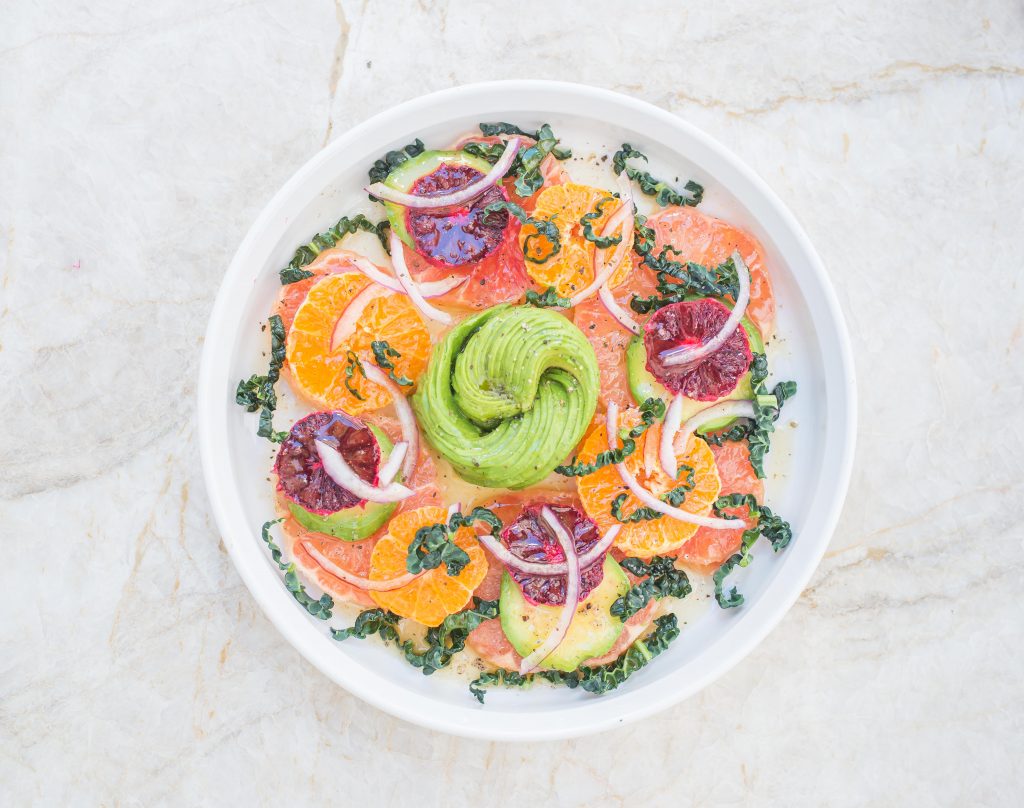
—Substitute red meat for “good” fats, like fish, chicken or beans; avoid butter or margarine, instead using olive oil; eat lots of fruits and vegetables as they are in season and sourced locally, followed by nuts and whole grains.
—The key is simple: whole foods. No excessive additives or overly processed ingredients.
—The diet is not meant to be limiting. You can eat healthy and enjoy your food. It consists of large portions of vegetables, the biggest staple of the diet. This lifestyle also includes starches, like pasta. I can already think of at least 10 different dishes made with just zucchini and pasta. I believe we can eat happily while eliminating highly processed junk foods from our lives. This diet is meant to be sustainable, nutritious and, most importantly, delicious.
—Beyond the diet, this lifestyle encourages mindfulness with every meal. Slow down, enjoy food with loved ones and delight in each bite. This improves digestion, helps avoid overeating and allows you to be conscious of your eating habits.